

A tension exists between creativity & productivity. Early this year, I started working within Claude Code more than the chat interface or my use of any other app. Since leaving academia, I have never felt more productive.
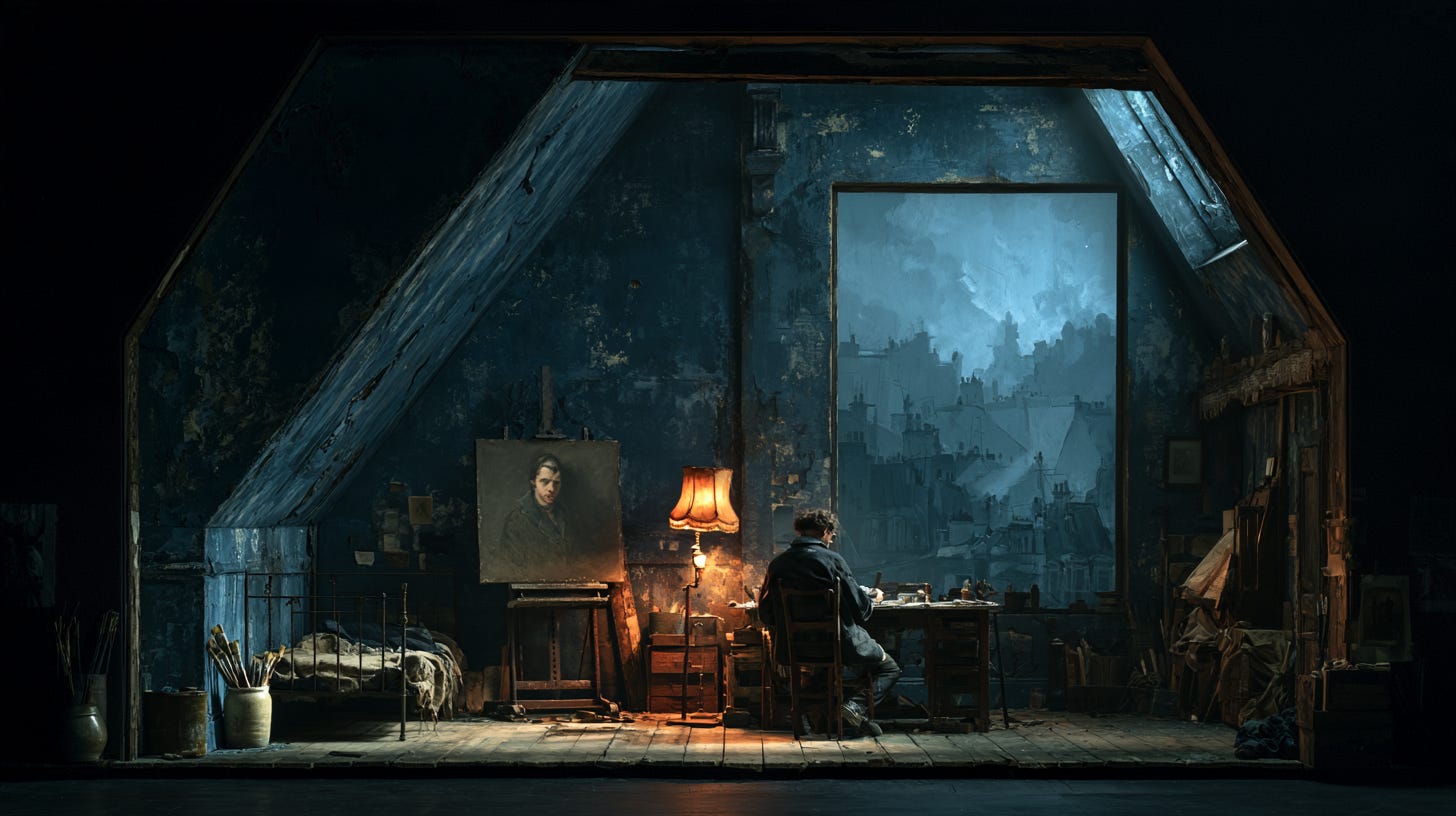
AI enables increases in productivity but does it also bring outcomes? If I don’t shape my work into products (or services), or, at a minimum, share the outputs of my work with anyone, then I can expect to accomplish very little that’s visible in the world to anyone other than myself. As someone who is self-employed, that’s a dangerous path: like a painter isolating himself in an attic.
So, what am I actually doing? Here’s a roundup of what keeps me busy. Mostly, it’s making customized apps that serve my specific purposes. I try to use up my weekly Claude Code usage limits.
My work falls mostly in two categories: 1) language learning & 2) the Never Fear storyworld.
Language learning
While translation apps and devices are improving and work okay for tourism, you don’t really get to know people and experience a place through a mediated device. I’m spending an increasing amount of time in Asia, specifically Japan and Vietnam.
Another reason for language learning is keeping my own mind active.
I will say that Duolingo is not a bad introduction to hearing a language. When learning a new language, I like to hear it spoken and quickly get to the point where I can, at least, identify when different words are spoken even though I may not understand the vocabulary fully. Duolingo can get you to that point but not much further. And I get annoyed at the Duo owl for giving me angry faces on my app when I don’t practice. So, Duo is no more for me.
For Vietnamese, I developed my own custom language learning app.
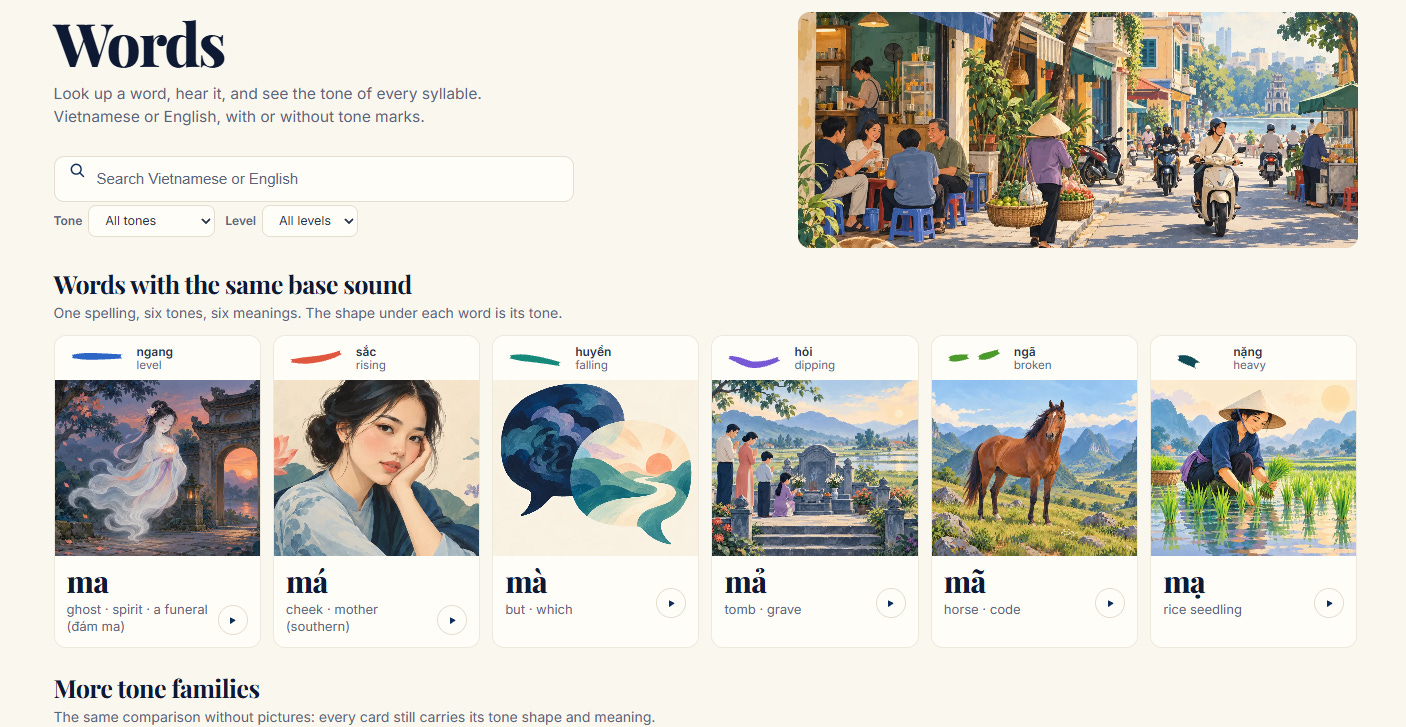
A lot of the content is based on real conversations I’ve had with a Vietnamese friend, who knows little English, via Messenger. BTW, Messenger’s built-in translator is absolutely horrible for Vietnamese and can mistranslate phrases in a way that could be very problematic if you don’t know the context of what the other person is saying. Google Translate is much better.
I’m not sure if I will make my app available to the public or not. For now, I’m also having Claude Code develop a version of the app where a Vietnamese speaker can use the app to learn English. And, this morning as I was writing this post, Claude Code finished creating the English version in about 3 hours: about 5,400 lines of code added and 11k audio clips. I need to go through and do quality control.
For Japanese, I developed a custom app for learning Kanji.
There’s a lot more people attempting to learn Japanese than Vietnamese. So, the Kanji learning app might become a real product.
The Never Fear storyworld
Never Fear is multigenerational saga spanning Paris, Tokyo, and Buenos Aires across three time periods: 1926 Paris, 1964 Tokyo, early 2000s Buenos Aires.
Never Fear is also a lab detailing the process of building continuity & authored ambiguity in storyworlds with AI through using my own intellectual property.
The basis is a novel that I wrote over 20 years. Everyone of the 60k+ words in the novel were written by me. I did have AI read the novel and provide questions for me to think about. But no AI generated phrases or sentences are in the book.
The novel Forgery Lessons will be published later this year. The book design is in process. My ex is a professional book designer, who is the art director of a university press. But to help her with ideas about the cover, I used Grok to generate a series of covers and then generate a collaboration tool where the book designer and I can jointly rate the cover designs and refinements. She doesn’t use AI for her university press book designs; in fact, she doesn’t use AI at all in her work. But she did say that she was very impressed with the covers that Grok imagined, and that “some of the concepts are wonderful”.
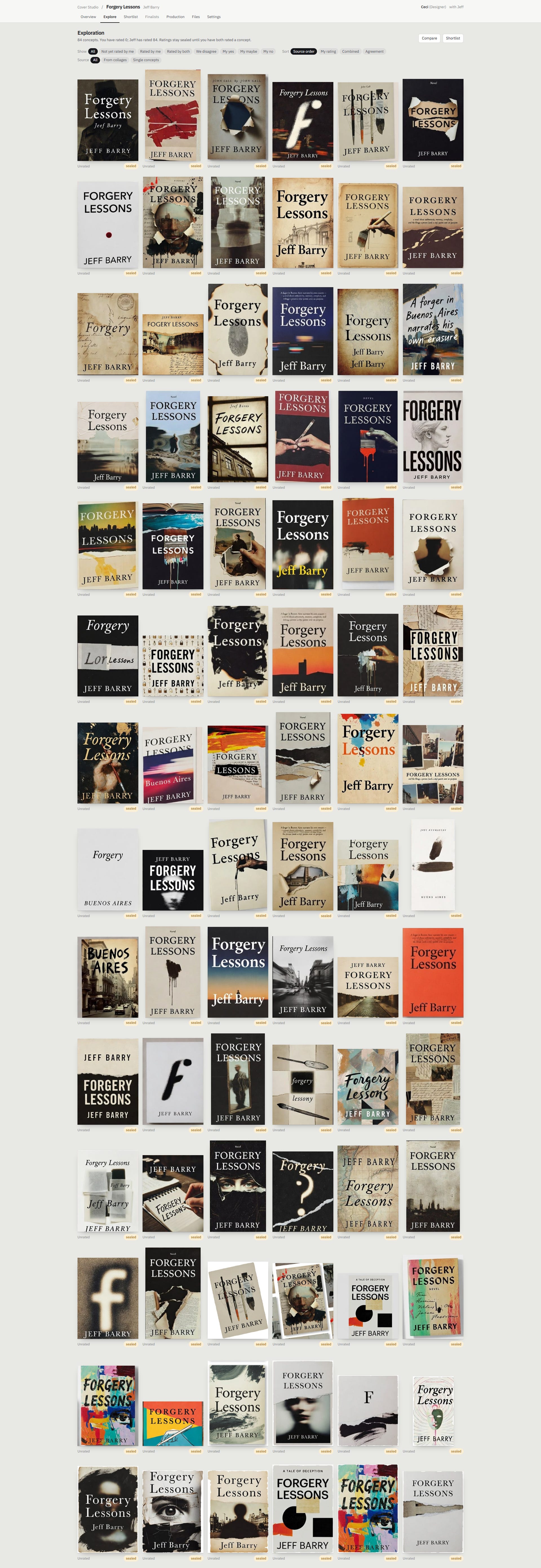
There’s a lot more to book design than cover concepts. The cover files actually have to be created according to printing specs. I’m sure that current AI tools can do that, though I’ve not yet tried. It would not be a short one-shot prompt but a workflow consisting of several steps and tools. But since my kid’s mom is a book designer, I’ll just have her do the book design manually after we choose a cover concept.
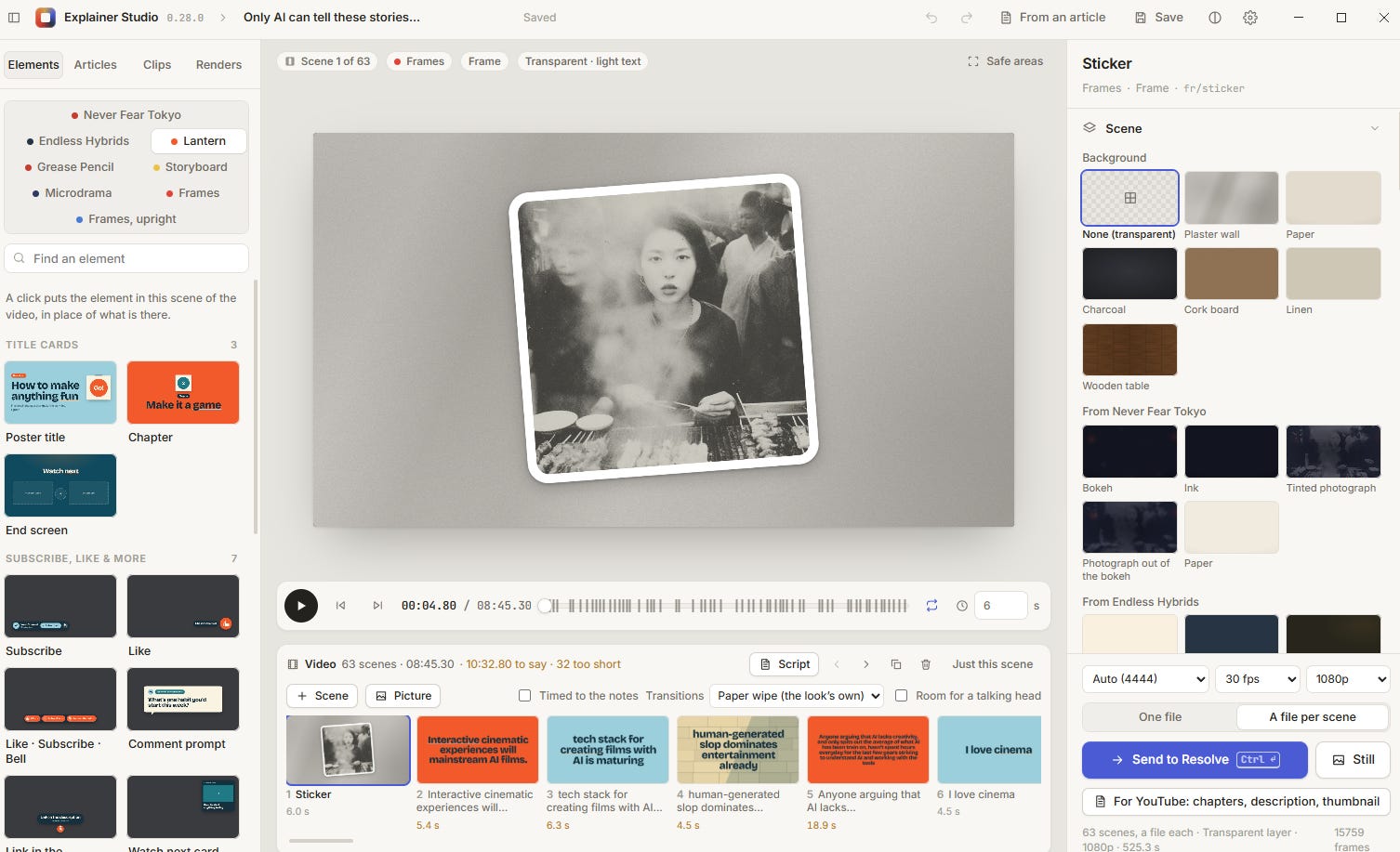
Video Editing. I need to streamline the process of creating videos for my YouTube channel, though I do not plan to go with AI-generated content for my channel. Actually, I plan to appear on camera more often. There’s a lot of repetitive tasks in editing, and I have no intention of hiring an editor when I can do it myself. Claude Code created an electron app that’s customized for my use and integrates with Davinci Resolve Studio, which I use for the final composition and rendering.
Likewise, Claude Code created an app for designing thumbnails. The infinity UI element in the upper right of the app cycles through various font layouts.
Creating app after app with agentic coding has been called a form of procrastination. Beware of that. It’s easy to keep developing new apps rather than utilizing the apps you have already developed.
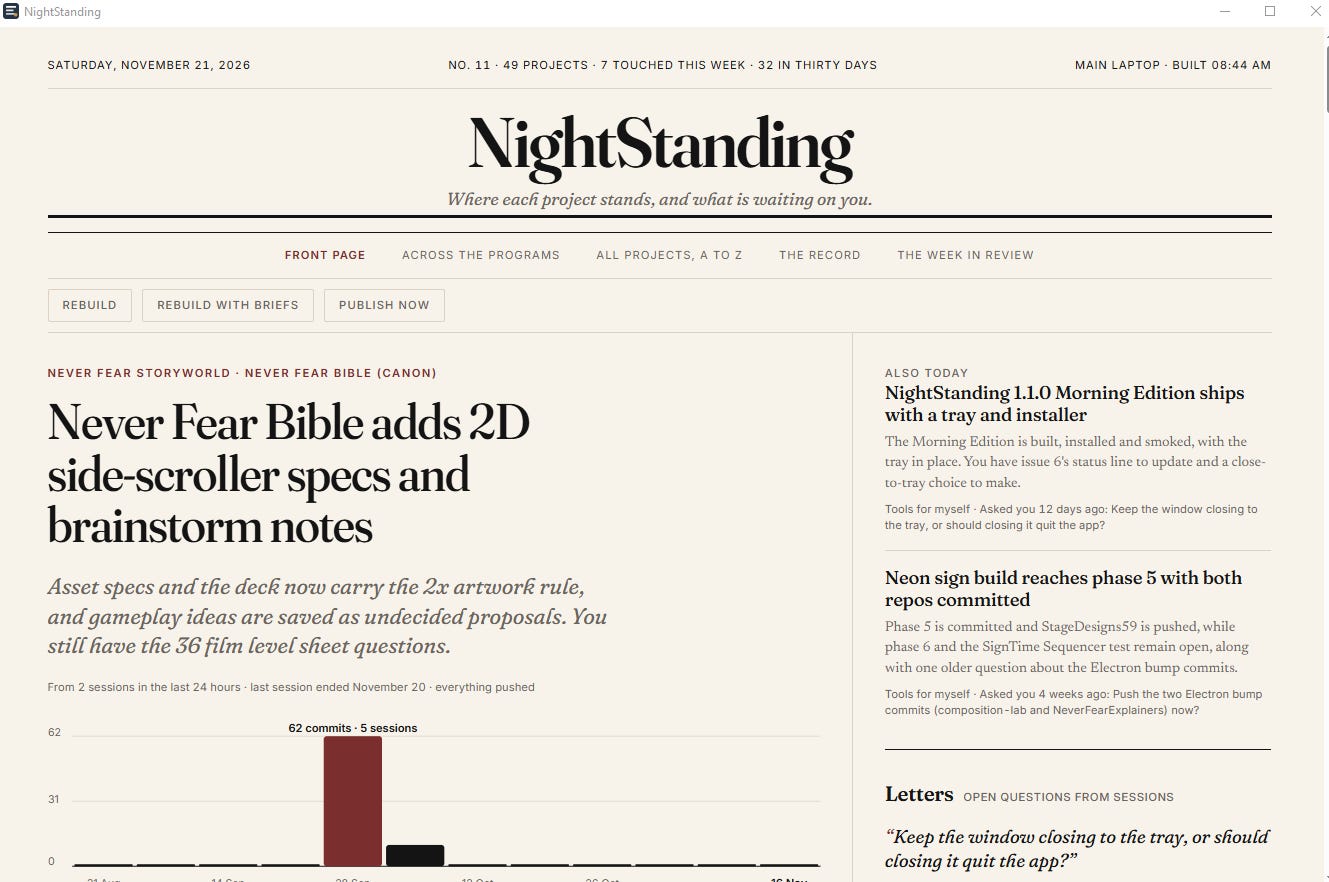
To help keep myself organized (a bit), I had Claude Code create an electron app that summarizes everything I’m doing and present that to me in a newspaper style format each day.
To keep track of everything I’m doing on the storyworld, I have two private (for now) websites.
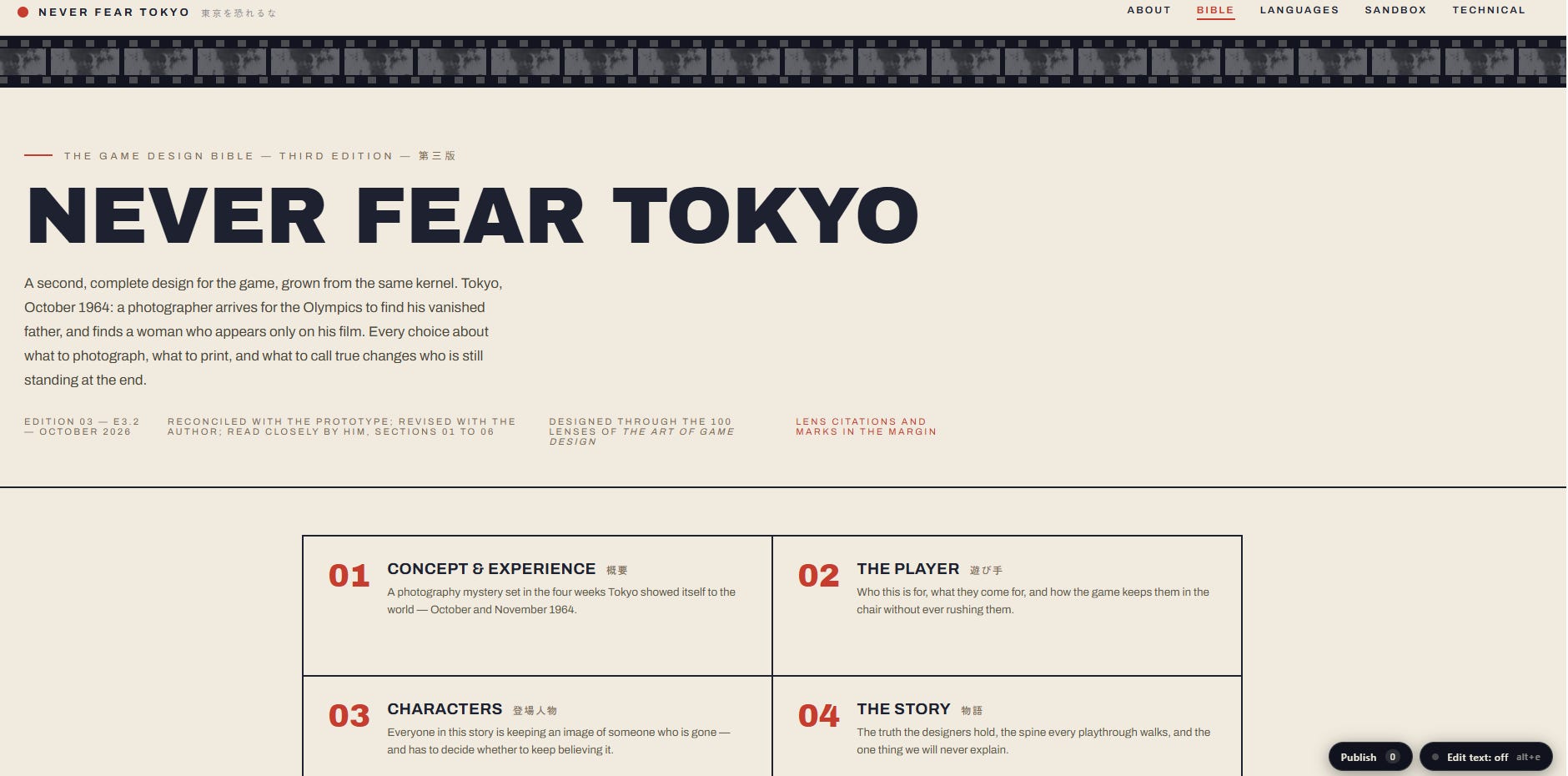
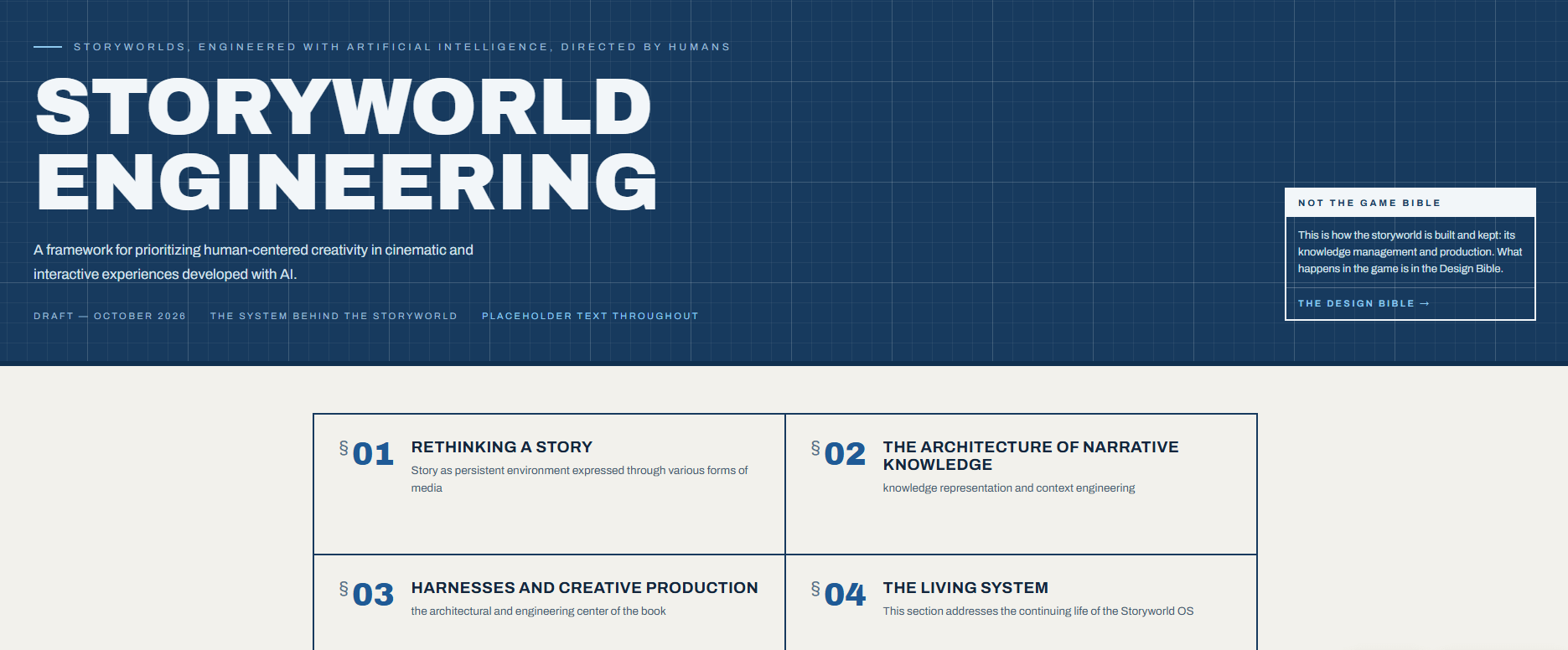
Both sites have built-in editing so that I can write and edit directly within the browser on the page. Claude Code handles all the tooling behind-the-scenes. The content is stored as markdown files. But I’ve never liked writing or reading in Markdown. Eventually, these sites will be public.
I have another private website for storyboarding.
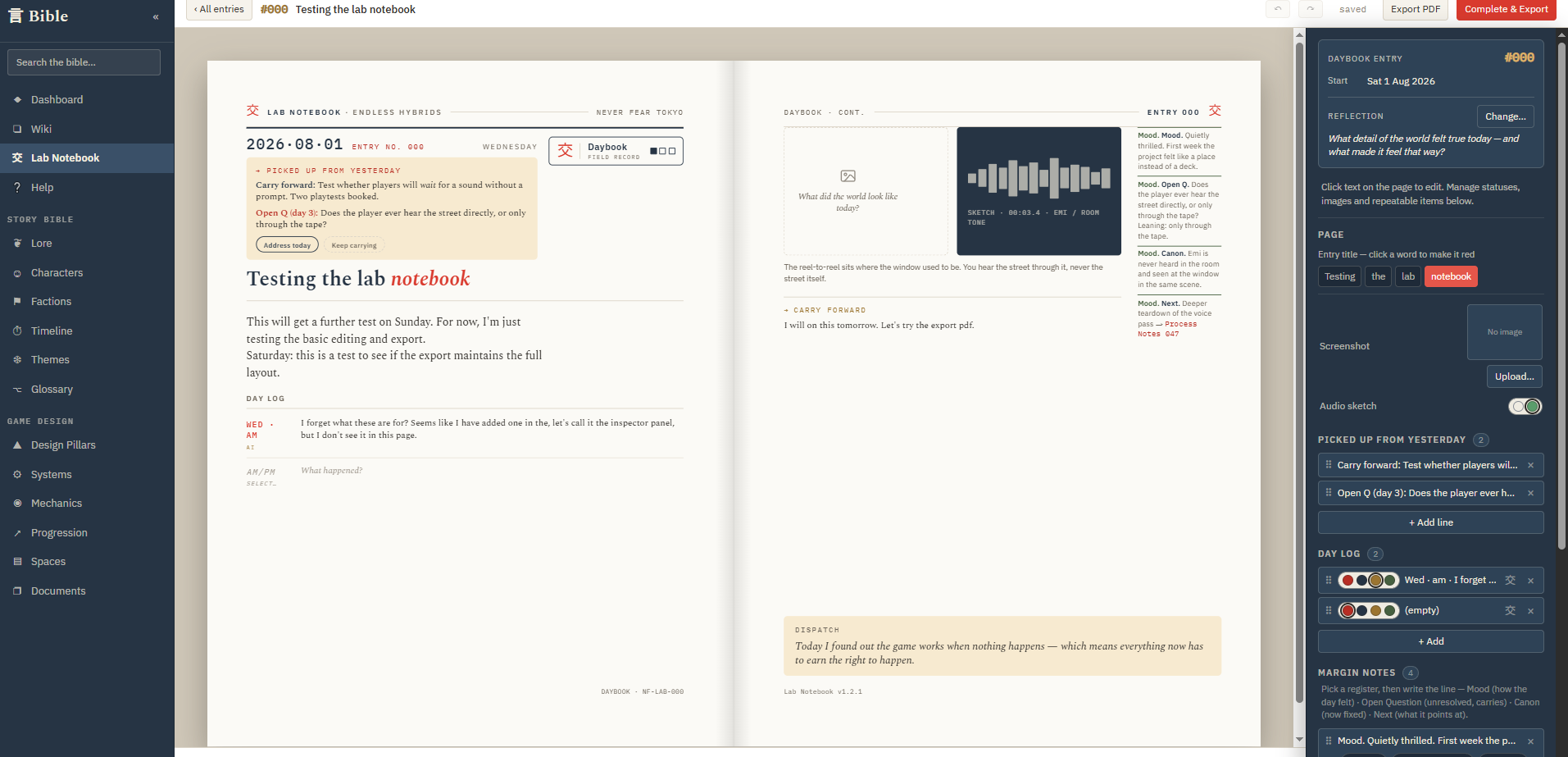
I also experimented with writing the game design bible in a formatted layout that also would serve as a lab notebook. Claude Code created a website with a built-in editor that exports the formatted page, as seen on screen, to PDF.
Music Composition Lab. A storyworld needs a soundtrack. Plus, I love learning more about music. The composition lab is another electron app with a lot of tools. This is no Suno or an app that takes a simple prompt to create the music. I built in a lot of parameters to guide the composition. Claude generates not just the music but also a score and other data about the music. On the score I can annotate notes with feedback that Claude will use in its next iteration of the music. Additionally, there’s a place where I can sketch out my own musical notes that will go in the next iteration of the music. In the past month, I’ve had Claude generate 10+ hours of music.
The composition also contains a built-in AI tutor that explains any specifics in the score. Just highlight the bar(s) on the score and ask what’s happening musically in those bars.
I’ve been working with virtual instruments for a few years with my Arturia Keylab 49 keyboard. Along the way, I’ve picked up some good virtual instruments like the Noire, which is sampled from Nils Frahm’s concert grand.
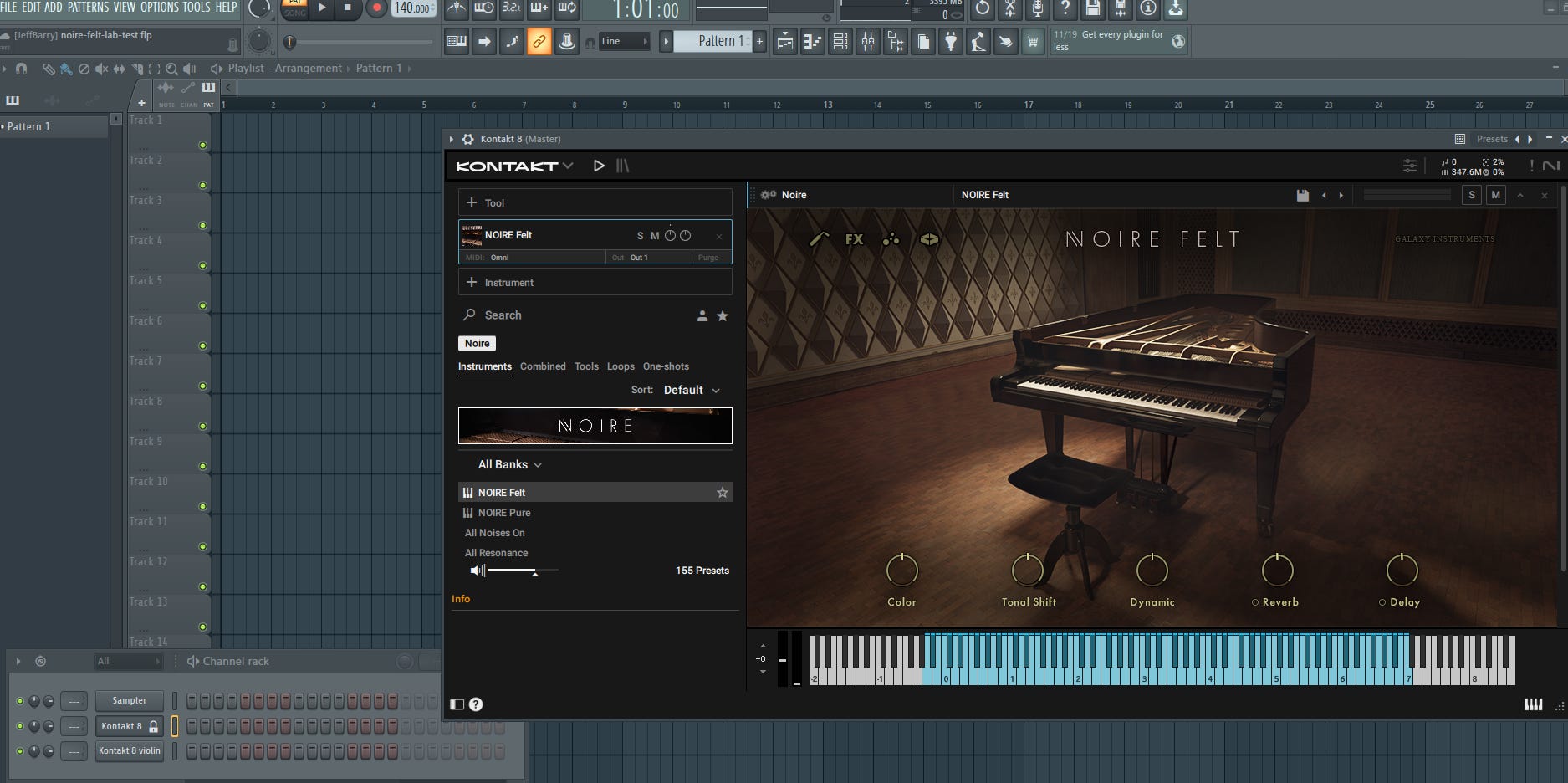
The composition lab can send the MIDI of a score to a DAW, which then drives the piano instrument. My preferred DAW is FL Studio. (I’m seeing some pushback in the music community about the use of AI. I find it quite strange that people who create music using samples and virtual instruments complain about creating music using AI.)
Continuing on with the Never Fear storyworld, my main focus in 2026 has been developing the Never Fear Tokyo segment that takes place in 1964, just after the Olympics were held in Tokyo. In addition to building the textual aspects of the storyworld, I’ve been working on the visual and spatial aspects.
One mechanism in Never Fear Tokyo as game is the ability to travel the train system to 11 different districts in Tokyo. Claude built those 11 districts as 3d models, though very primitive for now. I’m using a local website to track the development.
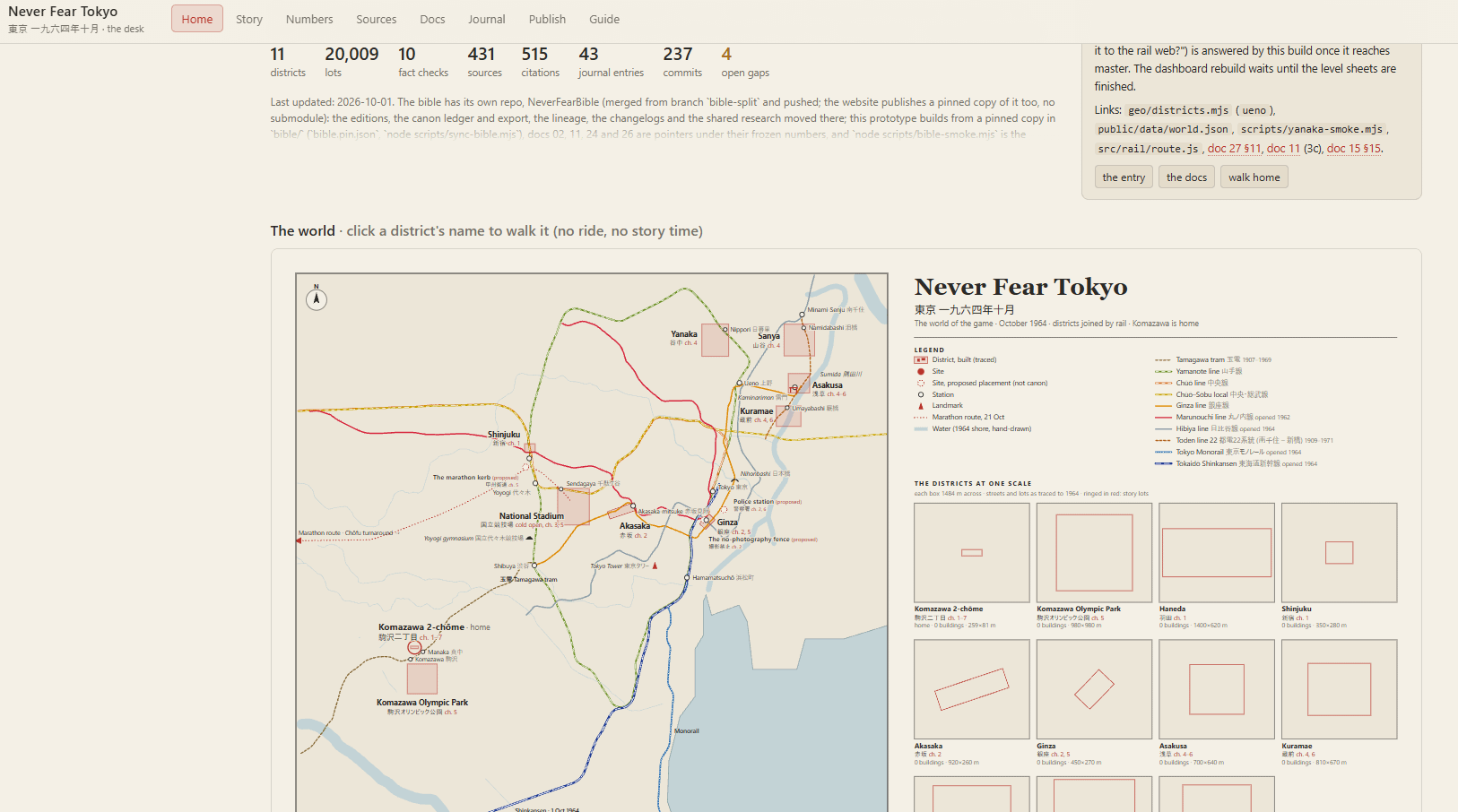
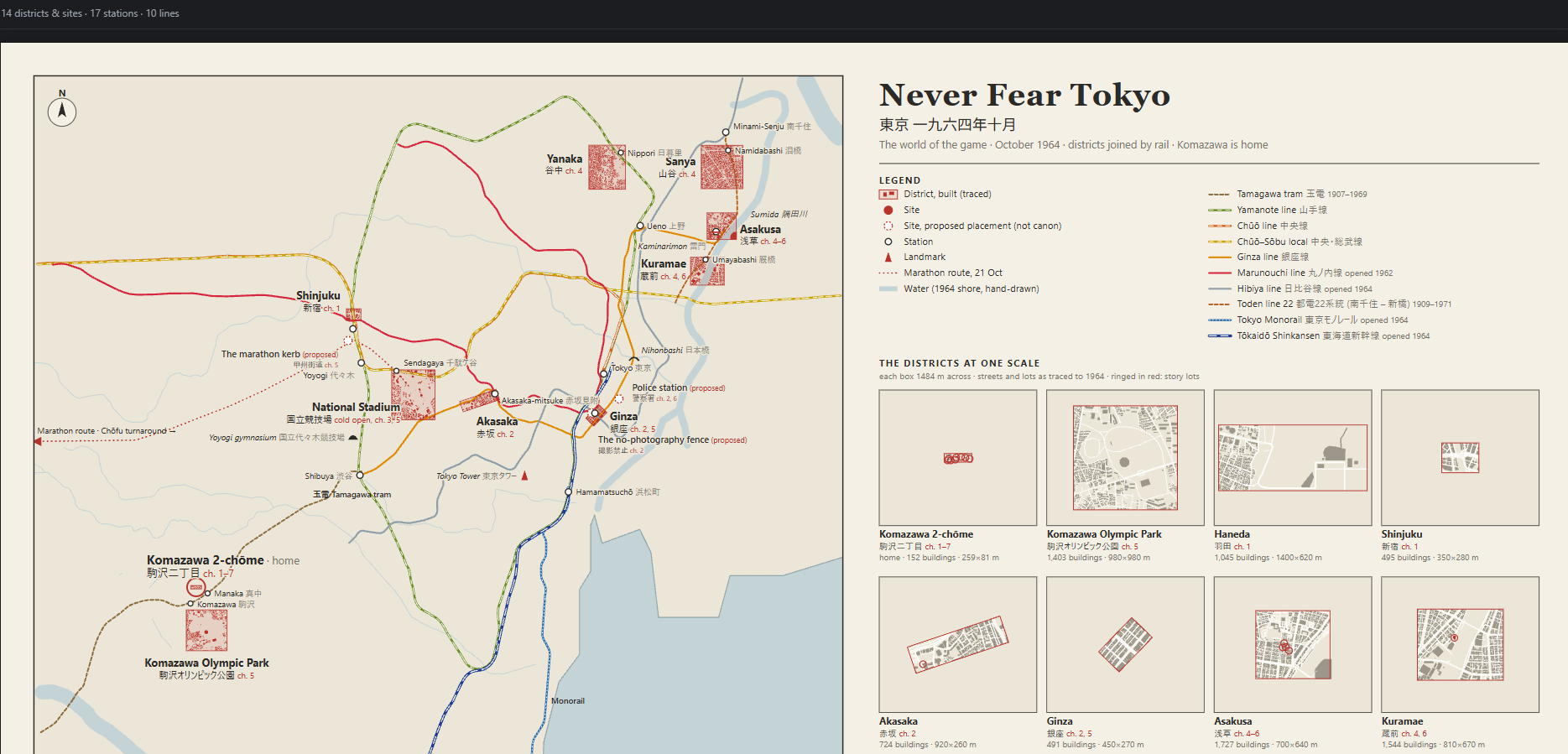
Claude also pulled geospatial data from a governmental site in Japan and built out maps of each district that appears in Never Fear Tokyo.
A part of building those neighborhood maps was constructing 3d models. These models are just placeholders for now and are intended for a JavaScript prototype. The building catalog lists what type of building is on each of the 20k+ lots built into the prototype. This tool is not just an inventory but a 3d configurator with options for altering the appearance of any building.
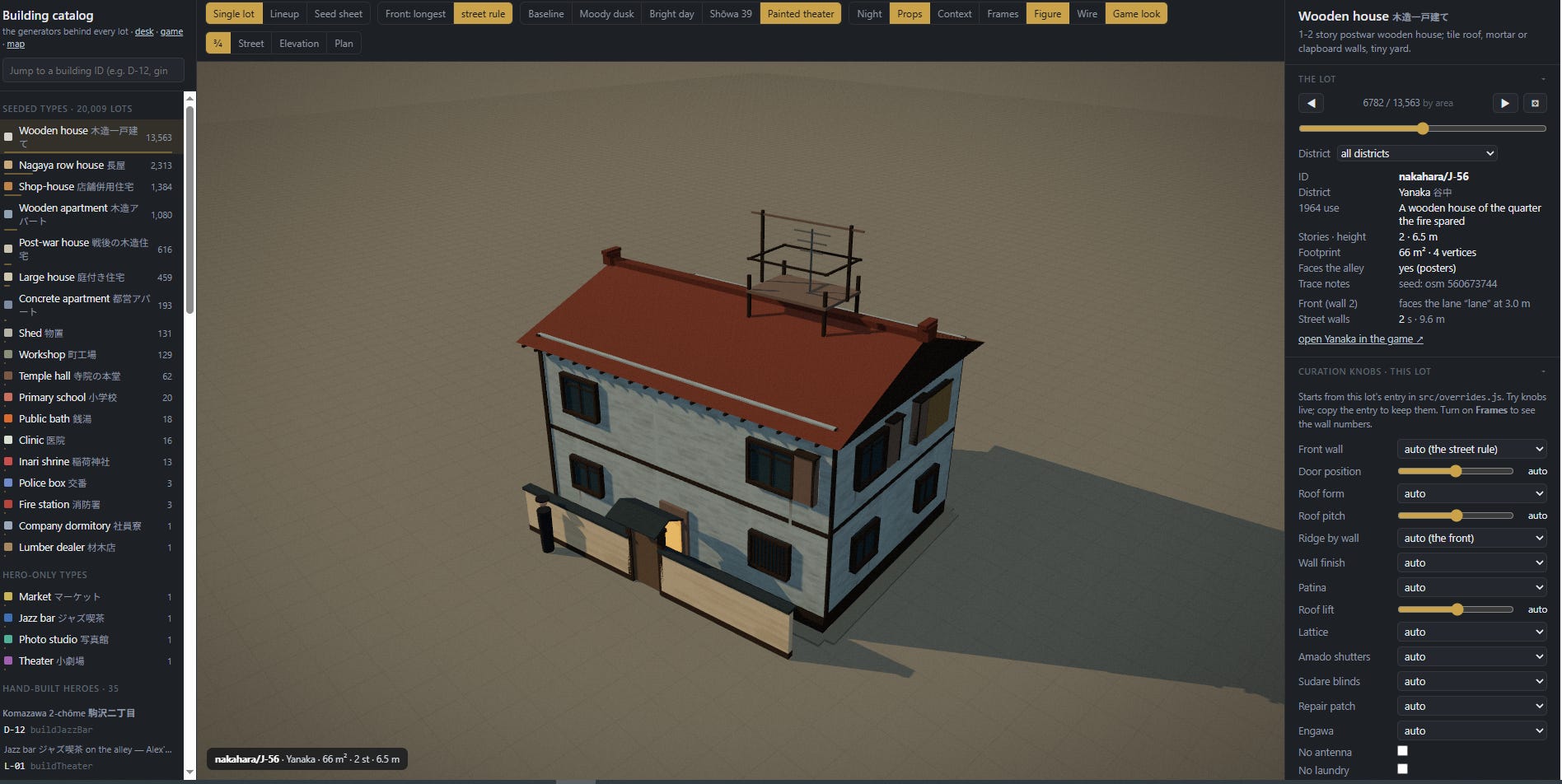
A brief look at an early version of the prototype. This isn’t intended to wow people with superb graphics. For now, I’m focused on the story.
Ultimately, I will build the interactive story using Unreal Engine, which is getting more and more AI-enhanced capabilities. Theatrical stages are a key part of the storyworld. The 3d in this stage were created by Claude Code in Blender and then Claude pulled the models into UE to build the level. The level design is based on a Midjourney image that Claude used for inspiration.
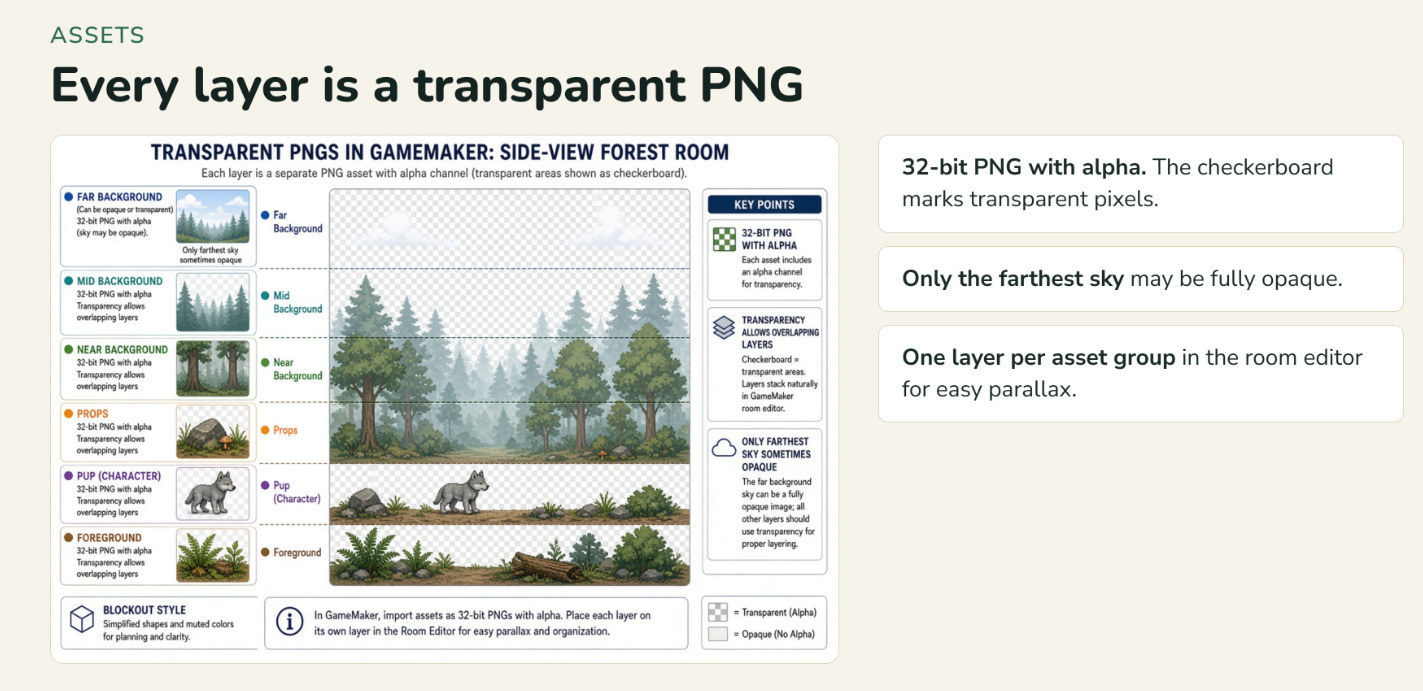
Outside of the Never Fear universe, I’m working with my kid on a 2d side scroller. My kid, almost 16 y.o., is doing all the artwork in Procreate. No AI art will be used in the 2d side scroller; my kid made me promise that. But, I needed to explain to my kid how the art assets worked in a 2d side scroller. I used a combination of ChatGPT and Claude to create a 50-slide PDF that explained the construction and asset requirements of 2d side scrollers. The slides use examples from the wildlife game that we’re developing (which is not part of the Never Fear storyworld). The images in the slide are AI generated but just exist as stand-in images for use in the explainer. My kid has really good drawing skills and a distinctive art style that will add a unique feel to the game. While I will not be using AI art for this side scroller, I will be using AI for the coding and assistance in working with the game engine.
Renovating an old WordPress site
My Buenos Aires blog. In 2005, when I moved to Buenos Aires, I started a blog on WordPress. It was quite a popular blog in the early 2000s. I finally ended it in 2013 when I moved back to the US. But it remained on WordPress, which always worried me for security reasons. I used several AI tools for the redesign and to migrate the blog from WordPress to a static site.
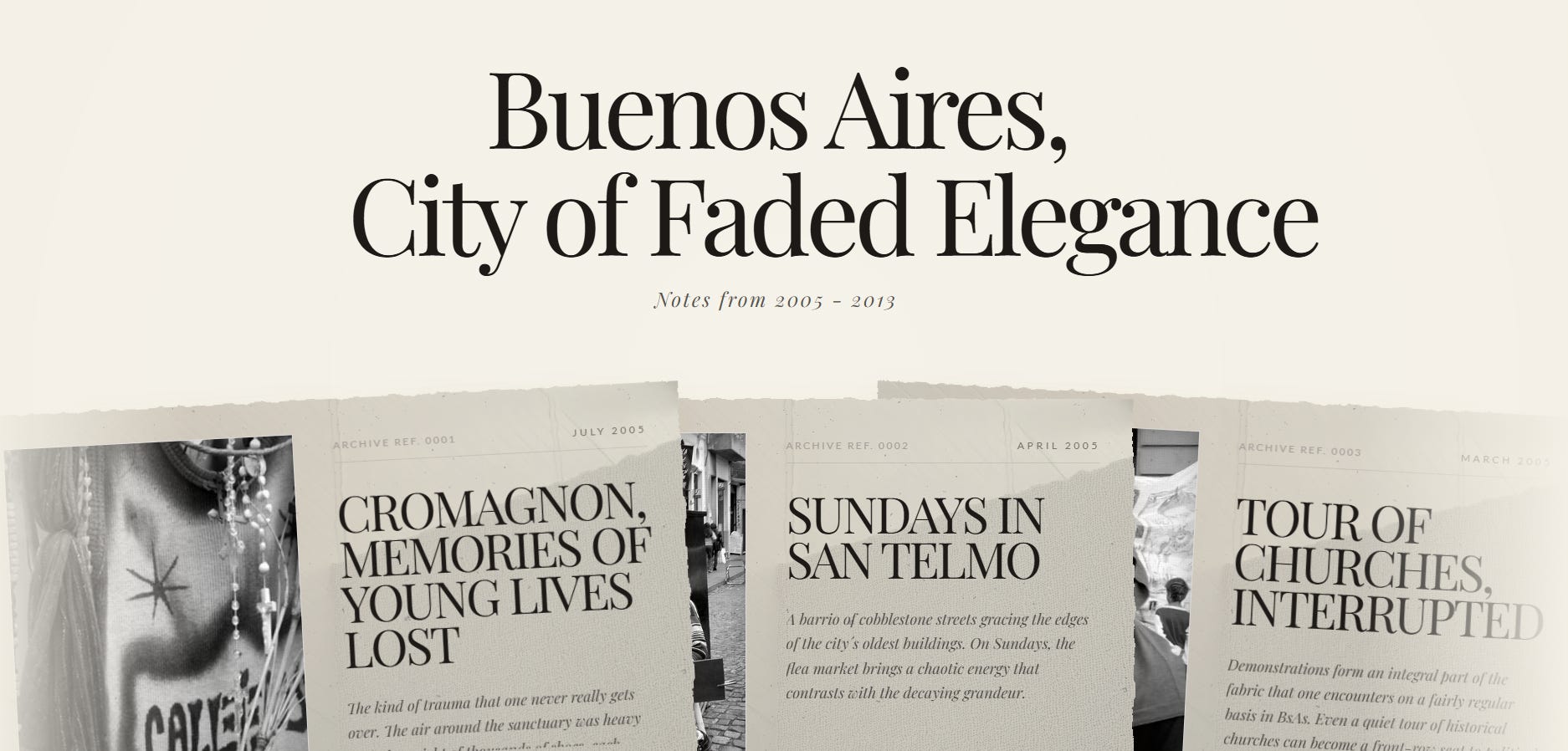
I enjoyed working with WordPress for many years but was very happy to say, “Goodbye, WordPress! Nice knowing you.” At this point, I wouldn’t advise anyone to use WordPress. Just use agentic coding to design and maintain a site. On the new site, there are still some design issues to sort out, and I need to update some photos. But, at least, I feel good knowing that it’s not on WordPress anymore.
And there’s so much more…like working with ComfyUI and local models.
But, am I really productive? I have my doubts about that. It depends on what I’m trying to do with all this that I’m creating. Is this a retirement hobby or am I building a business?