

Eventually, watching movies through VR headsets will be as common as watching movies on a large-screen tv anchored high on the wall.
On Thursday, September 24, 2026 Meta introduced their latest VR device: a headset that weighs about 100g. (It is tethered to a device but that’s a minor inconvenience at this stage.) With every product cycle, the form factor for VR will get more ergonomic. For a few years now, I’ve been thinking that VR headsets would get down to the size of a pair of ski goggles (compare Apple Vision Pro) or oversized sunglasses. I didn’t expect that this would come about until the 2030s.
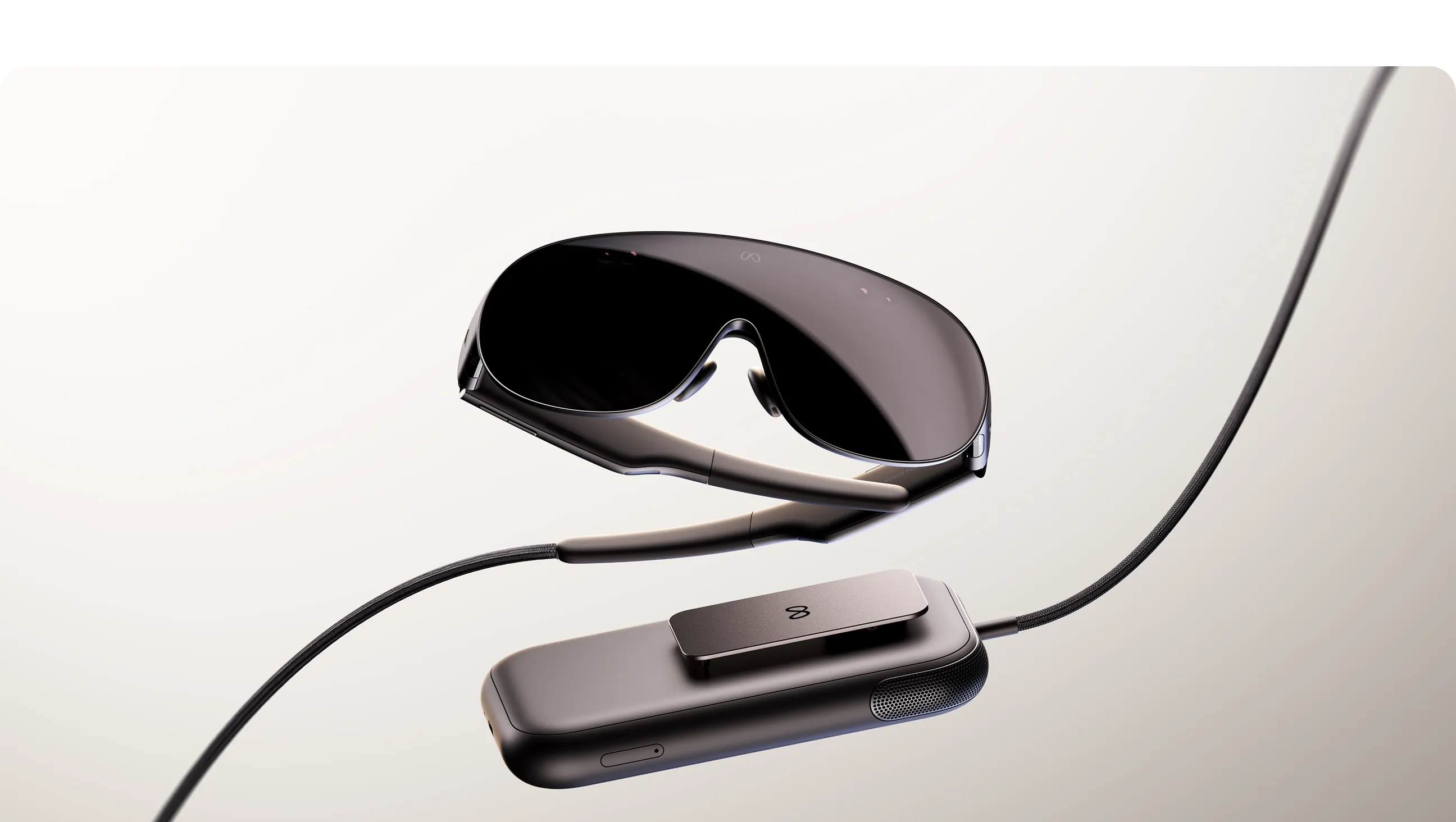
The VR glasses were not the standout new products showcased at the annual Meta Connect conference. Zuckerberg emphasized a range of new AI glasses. Someday, they’ll drop the AI modifier and just call them glasses or sunglasses. I was surprised at the release of audio & AI eyewear that lacked the camera capabilities. But it’s a smart move since the camera is the most controversial part of those glasses. Earbuds and bulky over-the-ear headphones are not for everyone; so, there will be a market for stylish glasses with speakers built-in, along with other features.
Nostalgia
Experiences in the past were not necessarily better, but just different. Thursday’s VR announcement reminded me of my Thursday nights forty years ago. Every Thursday night in Sewanee, Tennessee was free movie night at the university’s movie theater, a rather dreary movie house built behind the former student union building. The free movie was usually a classic or an art house film. Not much studying got done on Thursday nights, and the 7:30pm free movie was among the highlights of my week.
Thursday, September 18, 1986. My junior year was off to a rough start but what happened on that free movie night remains vivid: two silent movies starring Buster Keaton: Cops (1922) and College (1927).
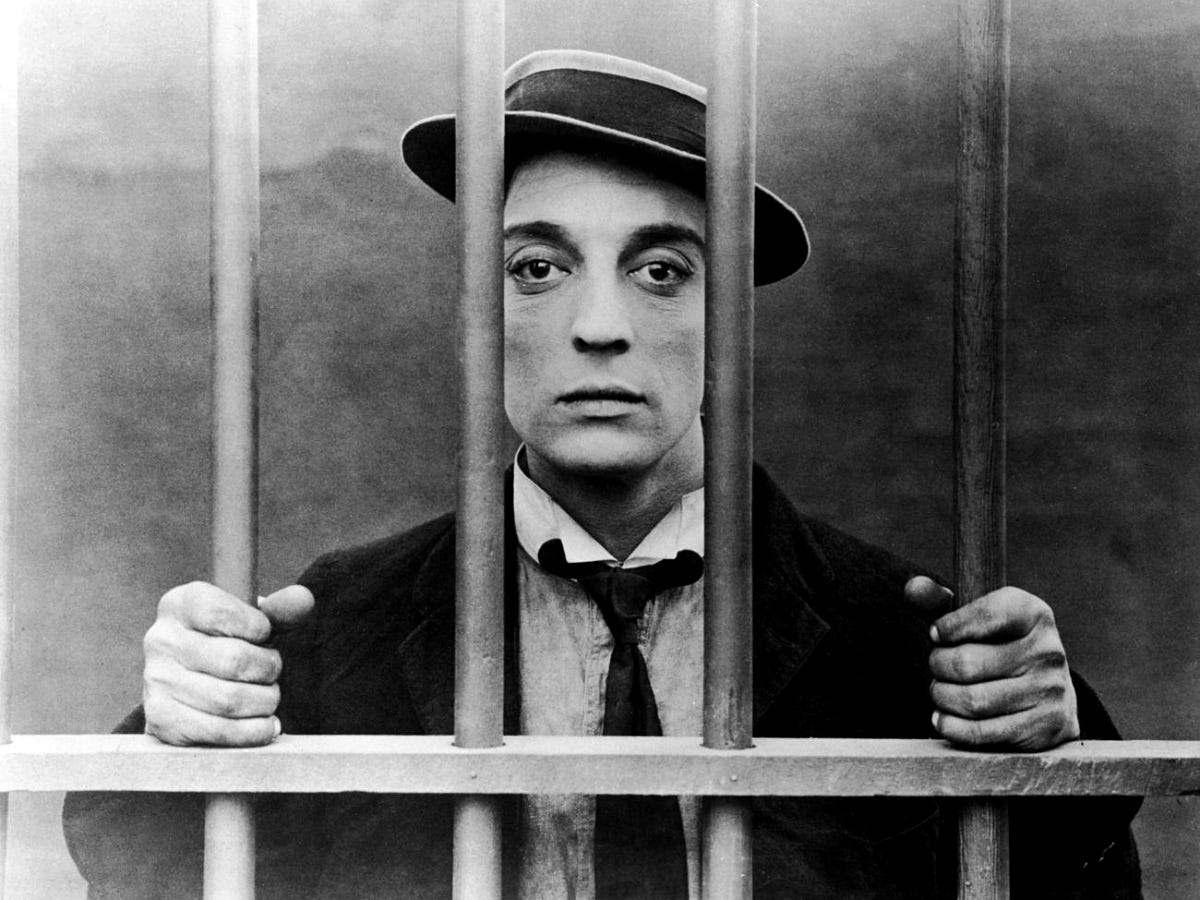
Comparing the cinema of the 1920s to that of the 1980s to that of today could be an entire chapter in a media studies book. Movies are a visual way of tracking technological changes.
The memory: a piano had been hauled into the theater and placed at the foot of the screen that night in 1986. The lights dimmed. As the movie started, one of Sewanee’s most emblematic professors, Waring McCrady, played a rousing piano accompaniment to the silent films. The improv performance made the night.
Now, with streaming, any night is free movie night. (Free as in a monthly subscription.) Movies have played a role in my life that’s almost as impactful as books.
An immersive experience in VR would be watching a silent movie while listening to an improv piano coming through your headset. With AI, the improv performance could be unique for each individual. That’s a difference experience than being in a rundown movie theater in a small Tennessee town atop a mountain. It’s not a better experience but it’s different and, certainly, not an experience that any of us imagined in 1986. And, surely, Buster Keaton never imagined his movies being watched in virtual reality a hundred years later.
For Thursday night of this week, I watched Ugetsu, a great film made in Japan in the early 1950s. Based on ghost stories by the 18th century Japanese writer Ueda Akinari, Ugetsu is the type of movie you might put off watching. You’ll think you’re not in the mood for a movie so different than anything you see that’s made today. But, give Ugetsu a viewing and experience a suspenseful masterpiece of cinema.

Even though I have the Criterion Blu-Ray version of Ugetsu (with several great special edition features about the movie), I watched it on my iPad rather than my large-screen TV. I rarely watch anything on that large screen. The iPad is my most used device, especially when nestled in the darkness of my bedroom.